
The Delulu Blog
How to Never Get Swatted as a Streamer (Or Get as Close as Possible)

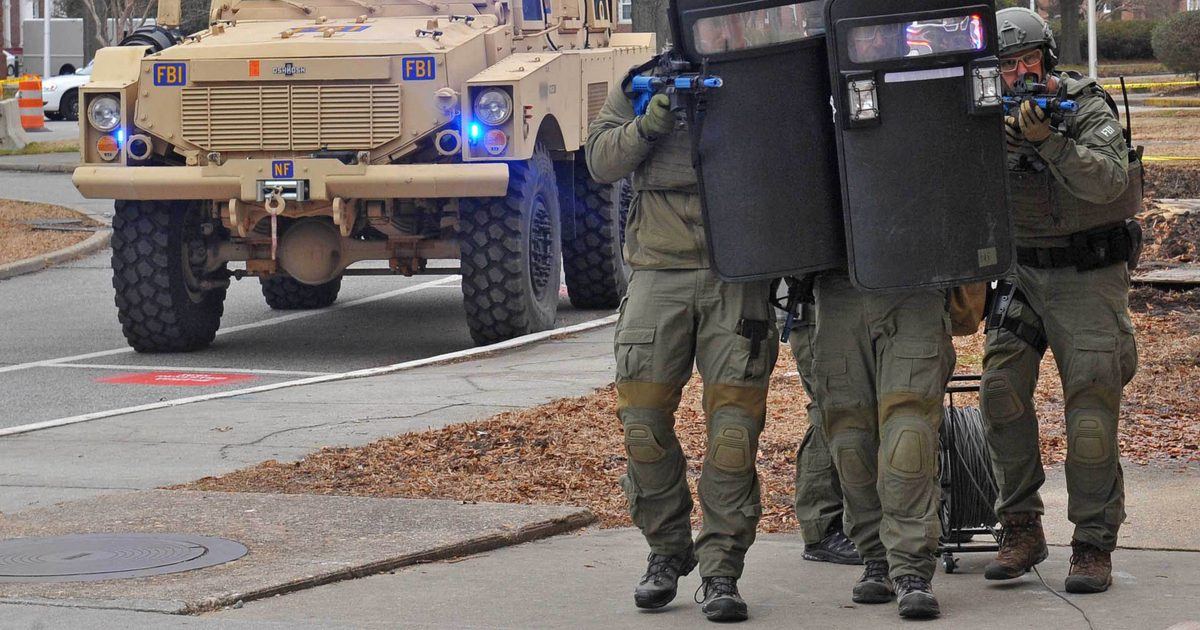
Streamers will drop four figures on a camera, a second monitor, a mixer, moderators, a manager, and a production trip, and then never once call the police department that will eventually field the fake emergency call about them. That is the actual gap this article is about. Not a technical vulnerability. A phone call nobody makes.
What swatting actually is, and why it keeps landing on streamers
Swatting is a hoax report made to emergency services, usually describing a shooting, a hostage situation, a suicide threat, or a domestic violence incident, built to draw the largest possible armed response to a target's address. The FBI's April 2025 public service announcement on the practice describes the intent plainly: to draw a "SWAT team or other law enforcement resources to an unsuspecting victim's location, causing chaos and the potential for injury or violence."
Streamers are an efficient target for a specific reason: they broadcast a real-time audience, a visible reaction, and, if the attacker has done any digging at all, a real address. The FBI's PSA notes that threat actors lean on spoofing technology to mask their own identity and location, and that compromised smart home devices can be used to help facilitate an attack. None of that requires much skill. It requires a phone, a fake story, and someone willing to make the call.
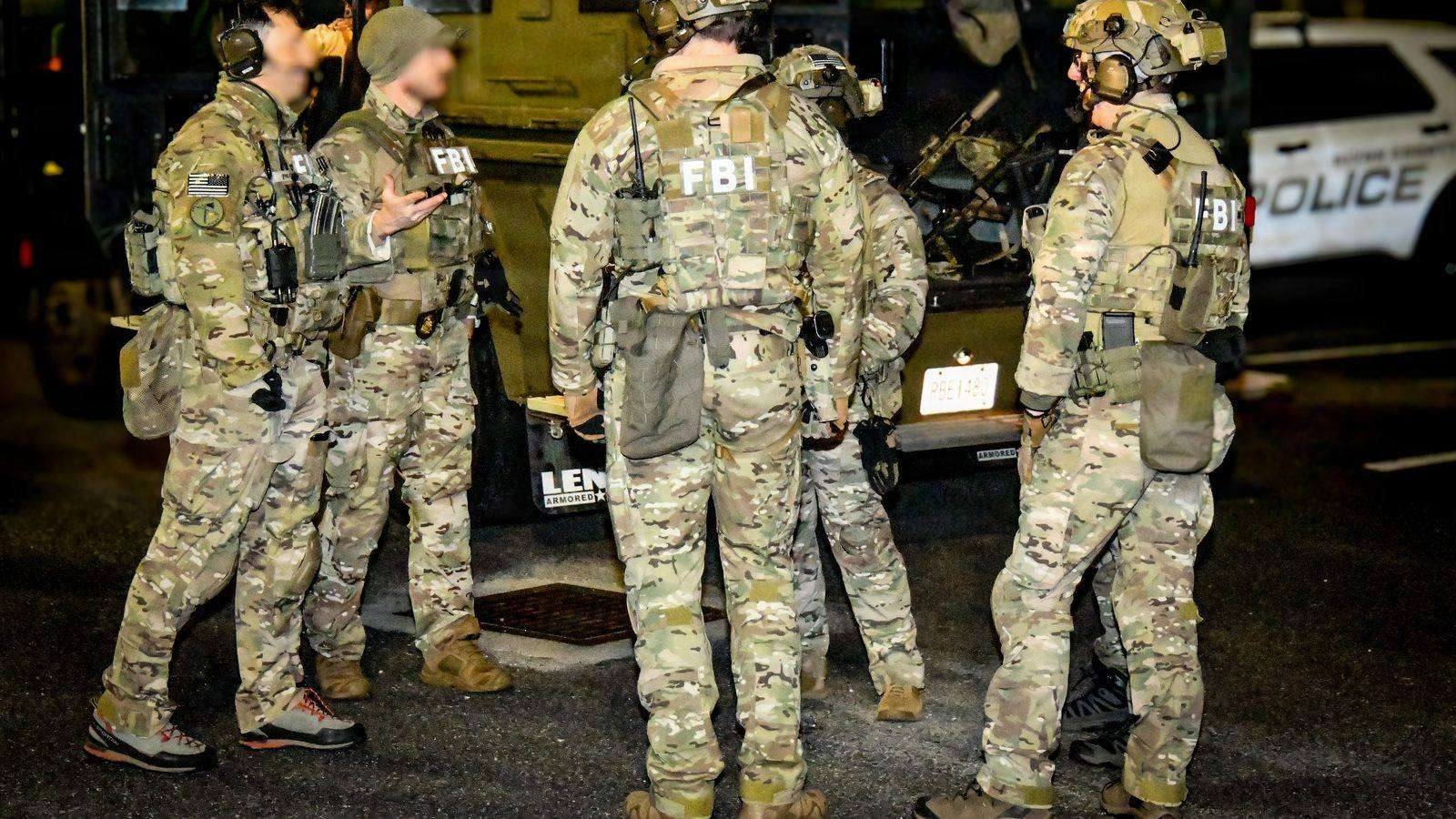
This is not hypothetical. It has been happening for over a decade
Joshua Peters, known on Twitch as Koopatroopa787, was streaming RuneScape from his mother's home in St. Cloud, Minnesota in February 2015 when someone called police claiming a shooting had happened at the address, with roughly 60,000 people watching live. Officers arrived while he was still on camera. He told ABC News he didn't know his attackers, and told The Guardian they tried again hours later with a second fake call, this one claiming he was suicidal. The second time, police checked before showing up.
Jordan Mathewson, known as Kootra, was live-streaming Counter-Strike from The Creatures' office in Littleton, Colorado in August 2014 when a SWAT team stormed the building on a false report that someone had shot two coworkers and was holding others hostage. TechCrunch and other outlets covered the raid, which CBS News reported also triggered lockdowns at nearby schools. That detail matters beyond the streamer himself: a false report at one address can pull in resources and disruption well past the person who was actually targeted.
By August 2022, it wasn't an occasional story anymore. Within a single week, four high-profile streamers, Keffals, Adin Ross, IShowSpeed, and Nadia Amine, were each swatted, according to Washington Post reporting, which also cited roughly four swatting reports a week hitting Twitch alone around that time. Tubefilter's follow-up covered the platform and legislative response, including a Kentucky bill to make swatting a felony.


And this isn't a decade-old problem that quietly went away. In March 2026, Kick streamer N3on was detained face-down on the sidewalk on Melrose Avenue in Los Angeles, live on camera, after someone called in a fake active-shooter report. Dexerto's reporting on the incident notes deputies released him once they determined the call was a hoax, and that N3on has been targeted this way before. Four streamers, four different platforms, four different years, one recurring mechanism.
The boring fix almost nobody actually does
Here's the part that should annoy every streamer reading this: the single most useful preventative step costs nothing, takes one phone call, and most people never make it.
This isn't a new idea. In a 2013 FBI feature on swatting, Dallas-based FBI official Kevin Kolbye recommended that people who receive swatting threats file a police report about it in advance, so that if a 911 call about their address does come in later, officers already have a reason to treat it with caution. Kolbye, who investigated hundreds of these cases, put the underlying risk bluntly: "It's only a matter of time before somebody gets seriously injured as a result of one of these incidents."
Seattle Police Department built an actual system around that same idea. In October 2018, it launched what it describes as the country's first anti-swatting registry, built on the Smart911 platform. Residents who believe they're at elevated risk (streamers, gamers, and other public-facing tech and creator-industry figures were the explicit target audience) can confidentially flag their address. Because the underlying Smart911 and Rave Facility data is exempt from public disclosure, the flag itself stays private. When a 911 call comes in reporting a critical incident at a flagged address, the system alerts the call-taker, and that context gets passed to the officers responding. Seattle Police were also explicit about the limit: officers still respond to every 911 call, flagged or not. The registry doesn't cancel a response. It gives the people running that response one more data point to weigh.
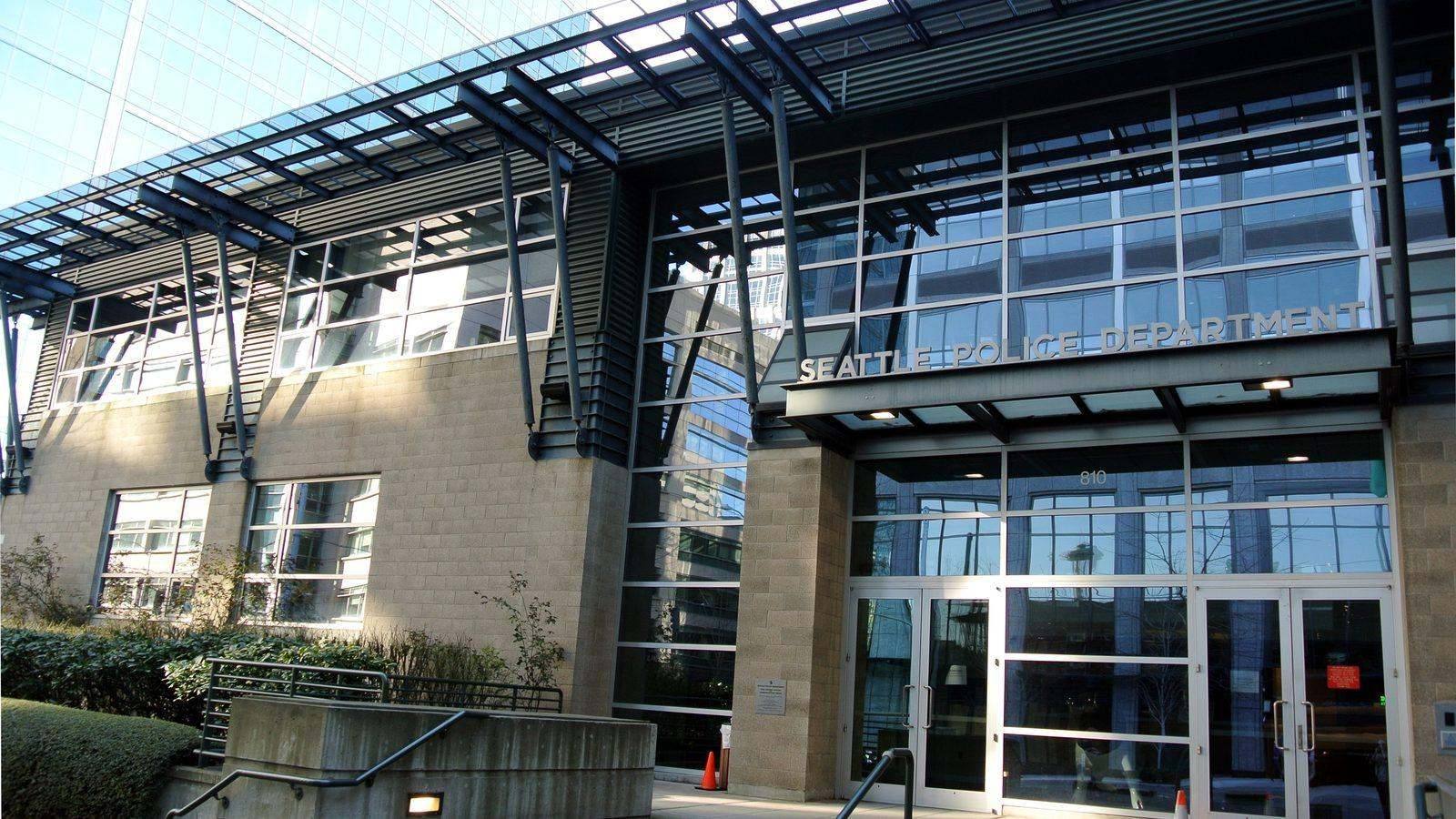
Seattle's registry is not universal, and treating it as a template every department already has would be its own mistake. It's a real, documented example that this kind of advance context is something a police department can actually build and use, not a theoretical fix. What your specific department offers, if anything, is a different question, and the only way to get an answer is to ask them directly.
A workable version of that call sounds like this: "I'm a livestreamer and there's a real possibility someone could make a false emergency report involving me or this address. Does your department have a way to document a potential swatting target, place an advisory on an address, file an informational report, or otherwise make dispatchers and responding officers aware of that risk?" That question works in any jurisdiction, because it asks the department to describe its own process instead of assuming everyone runs Seattle's.
Why one phone call actually changes anything
The reason this matters comes down to what information a dispatcher and responding officers have in the first sixty seconds of a call.
Without prior context
A dispatcher hears: "Someone just shot their family and is holding hostages at this address." Officers have to treat that as potentially real, because from where they sit, it is indistinguishable from a genuine emergency. The response scales to match the claim.
With documented context
Depending on the department and its systems, officers may also have: "This address has previously reported elevated risk of a fraudulent emergency call." That doesn't cancel the response. It's one more piece of information available while officers assess the situation on the ground, alongside everything else they're seeing and hearing.
That's the entire mechanism. Not immunity. Information. A department that already knows your address exists and why it might generate a hoax call is working with a different picture than one hearing about you for the first time in the middle of a fabricated hostage situation.
Building an actual protocol, before you become a target
None of this works as a one-time errand you do the week you hit affiliate status and then forget. Treat it as a short, standing checklist:
- Contact the right agency, the non-emergency way. Call the non-emergency line, records division, or community liaison for wherever you actually live and stream from.
- Explain what you are. Tell them you're a public-facing content creator or livestreamer, and that viewers may know or be able to discover your location.
- Ask what they actually offer. A registry, an address advisory, a dispatch note, an informational report, or something else entirely. Don't assume any specific mechanism exists until they tell you it does.
- Ask what information helps their dispatchers. Names, vehicle descriptions, who else lives there, streaming schedule, whatever they say is actually useful to them.
- Get a reference number if they give you one. Keep it somewhere you and your household can find it fast.
- Ask about moves. If you relocate, or stream from a temporary address, ask how that update should work.
- Build a household protocol. Everyone in the home, and anyone in your production team, should know exactly what to do if police show up unannounced.
- Cut unnecessary exposure. Address, unit number, license plates, visible mail and packages, and identifiable landmarks don't need to be on camera. This is a trim, not a lockdown; nobody needs to blur their whole apartment.
- Lock down accounts. Strong, unique passwords and multi-factor authentication on every account that touches your identity or your stream.
- Lock down smart home devices too. The FBI has specifically flagged compromised smart home devices as something threat actors use to help facilitate swatting. A voice assistant or smart camera with reused credentials is part of your attack surface now, not a separate category.
IRL streamers have a harder version of this problem
Everything above assumes a fixed address. IRL streamers don't get that luxury; the jurisdiction covering them changes block by block. Calling one department once and assuming it travels with you is not a real plan, and treating every walk down the street as a security operation isn't realistic either. Aim for something in between:
- Know which agency actually covers wherever you're filming, especially for a planned, extended, or higher-visibility stream.
- Avoid broadcasting your exact real-time location further ahead of arrival than you need to; a short delay on location reveals costs little and removes a lot of lead time for anyone planning to act on it.
- For a fixed, elevated-risk venue or event, loop in venue security and, when it's proportionate, the local department ahead of time, the same way you'd contact a department covering a home address.
- Agree on a recognizable signal or process with your production team for "something is wrong, stop and reassess," separate from normal stream chaos.
Nobody needs to phone ahead before walking into a coffee shop. This is for the streams where the risk and the visibility are both genuinely elevated, not for every errand on camera.
If armed police actually show up
If a fake report does trigger a response, the moment itself isn't the place to relitigate whether you already called ahead. Officers responding to a reported active emergency have to treat it as real until they can rule that out, regardless of anything on file. What actually helps:
- Stay calm. No sudden movements.
- Keep hands visible and follow instructions.
- Don't assume responding officers already know it's a hoax, even if you filed an advisory. Let them work the situation and confirm that on their own.
- Explain the streaming and swatting context once it's safe and appropriate to speak.
- Afterward, preserve everything: usernames, threats, messages, screenshots, call logs, timestamps.
- Report the incident to local police and to the FBI's Internet Crime Complaint Center at ic3.gov.
Arguing "I already warned your department about this" mid-response isn't useful and can read as resistance at the worst possible moment. Advance notice is context for the people running the response. It was never meant to be a line you recite to the officer standing in front of you.
Why this still can't guarantee you won't get swatted
None of this closes the loophole. It narrows it. Worth being honest about what stays open:
- An attacker can call a different agency than the one you contacted, or route the call through a jurisdiction you never flagged.
- Which department actually covers your address isn't always obvious, especially near city or county lines.
- Advisory systems and information-sharing vary a lot between departments; not every agency's dispatch software surfaces a flag the same way, or at all.
- An individual officer on scene may simply not see the note, especially if it lives in a records system rather than the live dispatch screen.
- Police still have to treat a detailed, credible-sounding report seriously. An advisory is context, not a reason to stand down.
- IRL streamers move between jurisdictions constantly, which limits how far any single agency relationship reaches.
- Attackers adapt. The FBI's August 2026 update on swatting notes a shift toward targeting schools, government buildings, and other institutions alongside individuals, which is its own sign that this threat keeps changing shape rather than staying still.
An advisory on file should never be read, by a streamer or by an officer, as proof that a given 911 call isn't real. It's one more data point in a fast-moving situation, not an override switch.
Research Confidence
This article is based on:
- The FBI/IC3's April 29, 2025 public service announcement, "Threat Actors Use Swatting to Target Victims Nationwide," and its August 4, 2026 follow-up, "Ongoing Threats of Swatting and Indicators for Community Members," both read directly from ic3.gov
- The FBI's 2013 feature "The Crime of 'Swatting': Fake 9-1-1 Calls Have Real Consequences," including its quotes from FBI official Kevin Kolbye
- Reporting on Seattle Police Department's Smart911-based anti-swatting registry, launched in 2018, including its opt-in and confidentiality design
- Direct news coverage of four separate incidents spanning 2014 to 2026: Jordan Mathewson (Kootra), Joshua Peters (Koopatroopa787), the August 2022 cluster (Keffals, Adin Ross, IShowSpeed, Nadia Amine), and N3on's March 2026 incident, cross-checked across ABC News, TechCrunch, CBS News, The Washington Post, Tubefilter, and Dexerto
Confidence Level: High for the FBI guidance, the Seattle registry's existence and design, and the core facts of each named incident, all independently reported by multiple outlets or stated directly by the FBI and Seattle Police Department. Individual departments' specific procedures vary and are not independently verified here; readers are directed to confirm directly with their own local agency, which is the article's central recommendation.
FAQ
What is swatting?
Swatting is a hoax report to emergency services, usually describing a shooting, hostage situation, or other life-threatening event, made to trigger an armed police response to a target's address. The FBI's April 2025 public service announcement describes the goal as drawing a SWAT team or other law enforcement resources to an unsuspecting victim's location, causing chaos and the potential for injury or violence.
Can a streamer actually stop themselves from being swatted?
Not completely. Nobody can stop a stranger from calling in a fake emergency. What a streamer can influence is what happens after that call goes out, specifically whether responding officers have any prior context that the address has been flagged as a possible swatting target. That context comes from contacting local police in advance, not from any camera, plugin, or piece of software.
Should I call 911 to tell police I'm a streamer, just in case?
No. 911 and other emergency lines are for active emergencies, not advance notice. The right move is to contact the department through its non-emergency line, records division, community liaison, or online reporting system, and ask what preventative option, if any, exists for someone at elevated risk of being swatted.
Does every city have an anti-swatting registry like Seattle's?
No. Seattle Police Department built what it describes as the country's first anti-swatting registry, using the Smart911 platform to flag an address confidentially so dispatchers can pass a caution note to responding officers. Most departments do not run an identical system. Some offer a different mechanism, like a dispatch note or an informational report on file. Some offer nothing yet. The only way to know what your specific department has is to call and ask.
What should I do if armed police actually show up during a false report?
Stay calm, keep your hands visible, avoid sudden movements, and follow instructions. Do not assume the officers already know about any advisory or prior report on file. Let them confirm the situation on their own timeline, then preserve every piece of evidence afterward, including usernames, threats, screenshots, and timestamps, and file a report with local police and the FBI's Internet Crime Complaint Center.
Ready to turn attention into customers?
Book a free discovery call and let's map your growth system.
Free Marketing Audit Or book a strategy call