
The Delulu Blog
Traditional Celebrities Are Getting Rarer. Streamers Are Taking Their Seat.
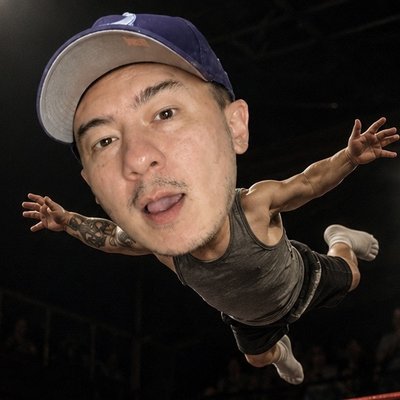
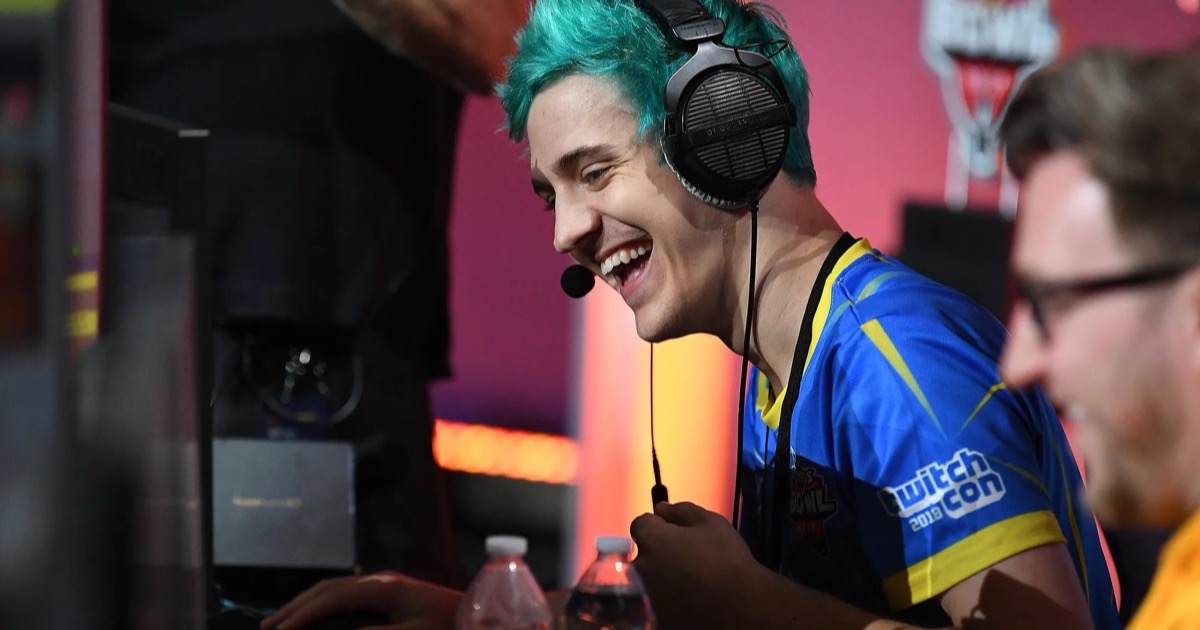
March 14, 2018. A 26-year-old global pop star logs into a 26-year-old gamer's Twitch channel to reach an audience he can't get anywhere else. Drake didn't book Ninja for his show. He showed up on Ninja's. Travis Scott and NFL wide receiver JuJu Smith-Schuster joined the same Fortnite lobby, and the stream peaked around 628,000 to 635,000 concurrent viewers, the largest non-tournament, single-channel stream Twitch had seen to that point, according to Game Informer, GeekWire, Billboard, and Forbes. That's not a story about a video game. It's the changing-of-the-guard scene, and it happened before most of the industry had a name for it.
Naming the shift
Traditional celebrity fame has always run on scarcity of access. A network decided who got a pilot. A label decided who got radio play. A studio decided who got the cover. The public's relationship to famous people was mediated almost entirely by gatekeepers who controlled the supply of exposure, and scarcity of exposure was the product. You couldn't just watch a movie star's unfiltered Tuesday afternoon. That was the point.
Streaming inverts the supply side of that equation. Anyone with a camera and a connection can broadcast continuously, for hours or weeks at a stretch, with no gatekeeper deciding whether the broadcast happens. That alone doesn't make streaming culturally significant: plenty of people broadcast to nobody. What makes it significant is what audiences do once the supply constraint disappears: they don't reward polish. They reward sustained exposure they can verify for themselves, in real time, without an edit between them and the person on camera. The Ninja/Drake stream is the clearest single data point that the direction of the relationship had flipped: a traditional celebrity showing up inside a streamer's world instead of the reverse. The rest of this piece is about what happened after that flip: what a live, unscripted audience actually pays for, and what it costs someone to keep faking it in front of one.
What audiences actually reward, at scale
It would be easy to wave at "authenticity" as a vibe. The more useful version of this argument has receipts: verified totals and records, not a highlight reel of "iconic streaming moments."
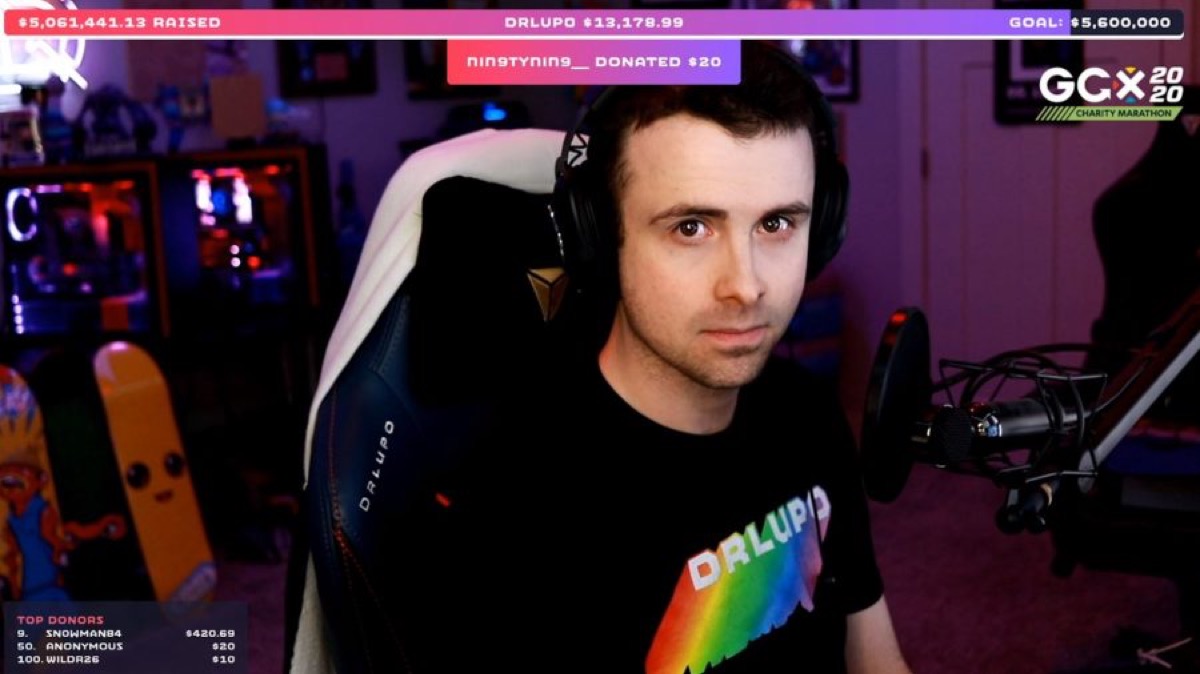
Three years after the Ninja/Drake stream, Ludwig Ahgren sat down in front of a webcam and didn't get up for 31 days. His March-to-April 2021 "subathon" drew 282,191 paying subscriptions, breaking Ninja's own 2018 record of 269,154 and grossing roughly $1.43 million before deductions, according to Wikipedia's cross-corroborated account of the event and Tubefilter's contemporary coverage. That's not a viral clip. That's over four weeks of sustained, unscripted, mostly unglamorous presence, and audiences paid to keep watching it.
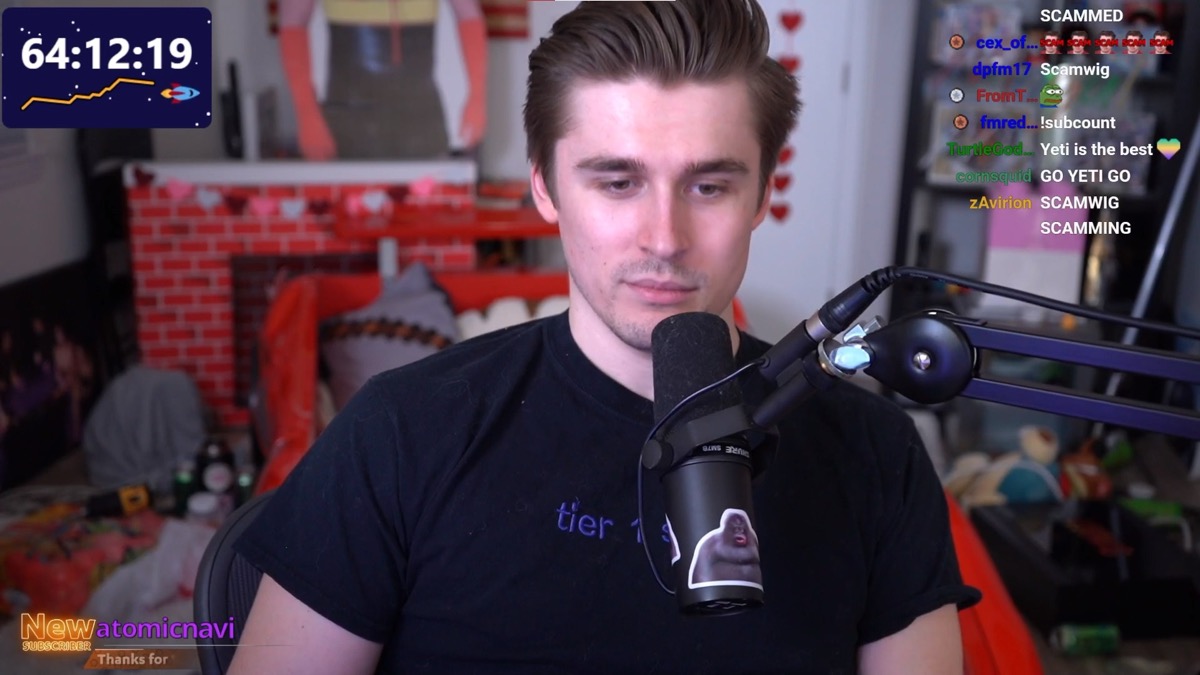
Charity marathons make the same point with a different currency. DrLupo's 24-hour "Build Against Cancer" livestream for St. Jude Children's Research Hospital raised over $2.3 million (including a $1 million surprise match from Twitch itself), setting the single-creator 24-hour record for the charity, per PRNewswire, St. Jude's own site, and Tubefilter. Games Done Quick, the speedrunning marathon series, has raised roughly $59 million for charity since 2010 across events benefiting the Prevent Cancer Foundation and Doctors Without Borders, with a single January 2022 event alone raising $3.4 million, according to the Prevent Cancer Foundation and Kotaku. Those aren't pledge-drive numbers extracted from an audience that trusts a brand. They're numbers an audience handed to a person they'd been watching, unedited, for hours at a time.
And the record for the single largest concurrent-subscriber event on Twitch doesn't belong to a traditional celebrity at all. In 2024, the VTuber Ironmouse broke Ludwig's own record, surpassing 320,000 concurrent subscribers during a 30-day subathon for the Immune Deficiency Foundation, tied directly to her own public disclosure that she lives with CVID, a rare immune disorder, according to Rolling Stone, Engadget, PC Gamer, and Tubefilter. An anime-styled avatar with a real, disclosed health story out-earned every traditional celebrity charity telethon in Twitch's history. The audience wasn't rewarding the character design. It was rewarding a person who kept showing up honestly, for a cause that was actually hers.
The counterweight: the same openness cuts both ways
None of this is a case for treating streaming as automatically wholesome, and a piece that only cited celebratory numbers would be making a worse argument than the one it's trying to make. The same infrastructure that lets an audience verify authenticity in real time also lets consequences arrive in real time, at scale, with nobody able to slow them down.
On August 4, 2023, Kai Cenat announced an unpermitted giveaway in Manhattan's Union Square. The crowd it drew was larger than most celebrity public appearances generate, and it escalated into what's now documented as the 2023 Union Square riot: over 60 arrests, real property damage, and eventually a $55,000 restitution agreement after the original charges were dropped, according to CNN, ABC7 New York, and Wikipedia's account of the event. This isn't cited here as a "wholesome moment," and treating it as one would be dishonest about what actually happened. It's cited as proof of scale and consequence: the same live, unmediated reach that let DrLupo move $2.3 million in a day can also summon a crowd bigger than a network can control, with none of a studio's usual buffers (security planning, permitting, publicist vetting) in between the announcement and the street. Authenticity and openness are not automatically virtuous. They're just harder to fake, in both directions.
Beyond Twitch: the shift isn't platform-specific
If this were only a Twitch story, it would be a niche observation about one platform's culture. It isn't. MrBeast built one of the largest audiences in the world on YouTube, not Twitch, using a structurally different fundraising model than the network telethon. A 2024 academic analysis in the Journal of Philanthropy and Marketing describes his approach as making "the philanthropy itself... the entertainment": the giving isn't a break from the content, interrupting a show to ask for donations. The giving is the show, filmed, verified, and distributed the same way any other video is. That's a second, independent data point that the underlying mechanism (unscripted, verifiable, sustained exposure outcompeting produced, scarcity-based fame) isn't a Twitch quirk. It's showing up wherever a platform lets a creator broadcast continuously and be watched closely enough to be checked.
Why authenticity, specifically
The pattern across every example above is the same: audiences aren't rewarding streaming as a format. They're rewarding what sustained, unscripted exposure makes hard to fake. Multiple 2025-2026 consumer-research sources (Clutch.co, YPulse, and Insight Trends World) report Gen Z audiences trusting creators and influencers over traditional celebrities specifically on authenticity grounds, with one Clutch.co figure citing 72% of Gen Z trusting micro-influencers over traditional celebrities. Treat that as directional survey evidence, not a single precise industry-wide statistic, but it's directionally consistent with everything the record-breaking numbers above already show. As scarcity of access stops being the thing that makes someone famous, demonstrated behavior over time becomes the actual scarce resource deciding who keeps an audience.
The dated prediction
Here's the piece of this argument that's a genuine hypothesis, not a settled claim: as the format keeps scaling, traditional celebrity gets rarer as the default path to mass attention over the coming years, not extinct, not replaced, just rarer as the standard route. Studios, labels, and networks aren't going away. But they're no longer the only, or even the most reliable, way to build a large, paying, sustained audience, and the gap between the two paths is what's shifting. That's a directional, dated bet, and it's stated as one on purpose, the same pattern Design Delulu has used for other forward-looking calls, like the Local AI Future series. Treat it accordingly: worth watching, not worth treating as already decided.
The practical test
If demonstrated authenticity really is becoming the scarce resource audiences are pricing in, that's not just a media-industry observation: it's a direct question for any brand or founder deciding where to put content effort. Run this self-check against your own content: does it hold up under sustained, unscripted exposure, or does it only work in short, controlled bursts? An audience that will trade its attention for someone talking into a webcam for 31 straight days is an audience that has already decided it can tell the difference between a person showing up consistently and a brand performing consistency for a quarter. That's the bar streaming set. It didn't lower the bar for getting attention: it raised the bar for keeping it.
Research Confidence
This article is based on:
- Named-event reporting on the Ninja/Drake/Travis Scott stream, Ludwig's subathon, DrLupo's St. Jude stream, Games Done Quick totals, and Ironmouse's subscriber record, each corroborated by multiple independent outlets, the charity/institution itself, or the platform's own record-keeping
- CNN, ABC7 New York, and Wikipedia's documented account of the August 2023 Union Square incident, cited strictly as a scale-and-consequence counterexample
- A 2024 peer-reviewed analysis in the Journal of Philanthropy and Marketing on MrBeast's philanthropy-as-content model
- 2025-2026 consumer-research surveys (Clutch.co, YPulse, Insight Trends World) on Gen Z trust in creators versus traditional celebrities, cited directionally rather than as precise industry-wide figures
Confidence Level: High on the named events and records themselves, each independently sourced; Normal on the survey-based authenticity-trust claims, which are real and cited but carry normal rather than high precision; Experimental on the forward-looking prediction that traditional celebrity keeps getting rarer as the default path to mass attention, stated explicitly as a hypothesis, not a settled fact.
FAQ
Is streaming really replacing traditional celebrity culture?
Not entirely, and this article does not claim that. What is verifiably changing is who can command mass, sustained attention without a network, label, or studio in between. In 2018, a pop star and an NFL wide receiver joined a gamer's Twitch channel to reach an audience they could not get any other way, not the reverse. That is a directional shift in leverage, not a claim that traditional celebrity is disappearing.
Why do audiences trust streamers more than traditional celebrities?
Sustained, unscripted exposure is harder to fake than a publicist-managed appearance. A creator who streams for hours, days, or weeks at a time is visible in a way a red-carpet interview isn't. Consumer research from Clutch.co, YPulse, and Insight Trends World in 2025-2026 reports Gen Z audiences trusting creators over traditional celebrities specifically on authenticity grounds, with one Clutch.co figure citing 72% of Gen Z trusting micro-influencers over traditional celebrities.
What's an example of a streaming moment that outperformed traditional celebrity reach?
Ludwig Ahgren's March-April 2021 subathon ran for 31 consecutive days and drew 282,191 paying subscriptions, breaking Ninja's prior record of 269,154 and grossing roughly $1.43 million before deductions. Ironmouse, a VTuber, broke that record again in 2024 with 320,000-plus concurrent subscribers during a 30-day subathon tied to her own disclosure of living with the immune disorder CVID.
Does this mean traditional celebrities are going away entirely?
No. The article's prediction is explicitly directional and dated, not absolute: traditional celebrity is getting rarer as the default path to mass attention, not extinct as a category. Scarcity-based fame still exists; it is simply no longer the only route to a large, engaged, paying audience.
What can a business actually learn from the streaming-authenticity shift?
Run the same self-check the article closes on: does your brand's content hold up under sustained, unscripted exposure, or does it only work in short, controlled bursts? Audiences that reward creators for showing up consistently and behaving decently over time will apply the same standard to a brand's content, not just a celebrity's.
Ready to turn attention into customers?
Book a free discovery call and let's map your growth system.
Free Marketing Audit Or book a strategy call