
The Delulu Blog
A Livestream Found a Missing Teen in Miami. The Mechanism Matters More Than the Miracle.
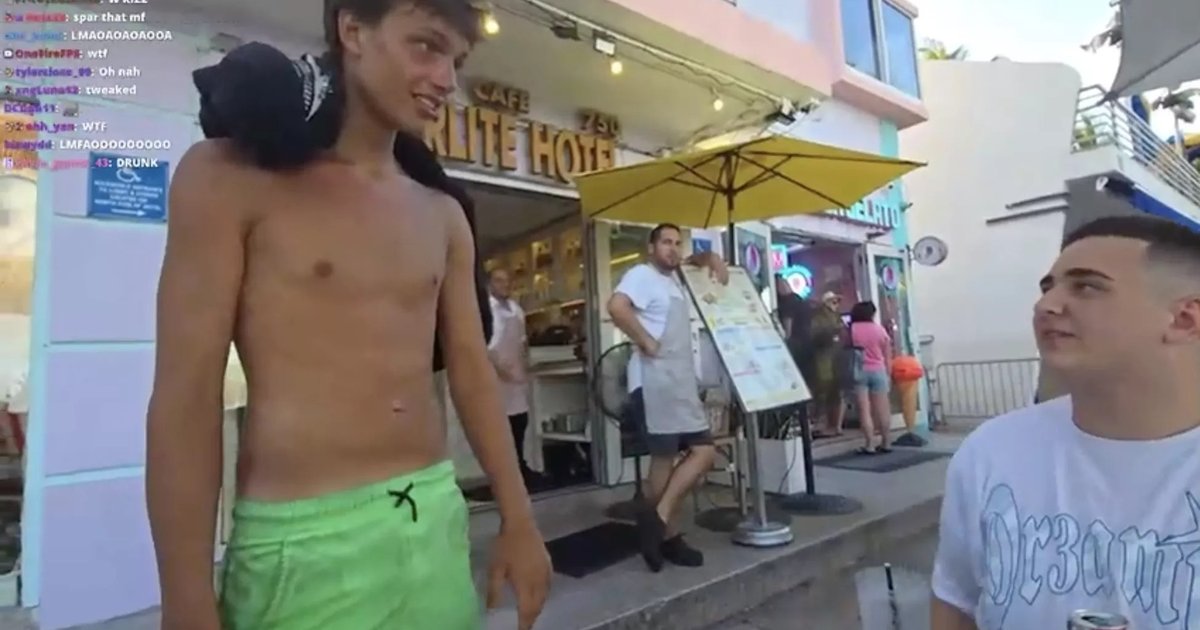
On a Miami Beach patio in early July 2024, a teenager in neon shorts walked into someone else’s livestream. Nobody on set knew who he was. Chat did what chat does. Hours later, the same footage was not entertainment: it was the hinge that helped a missing person get found. If you only remember the reunion, you miss the part that actually matters.
What actually happened, with receipts
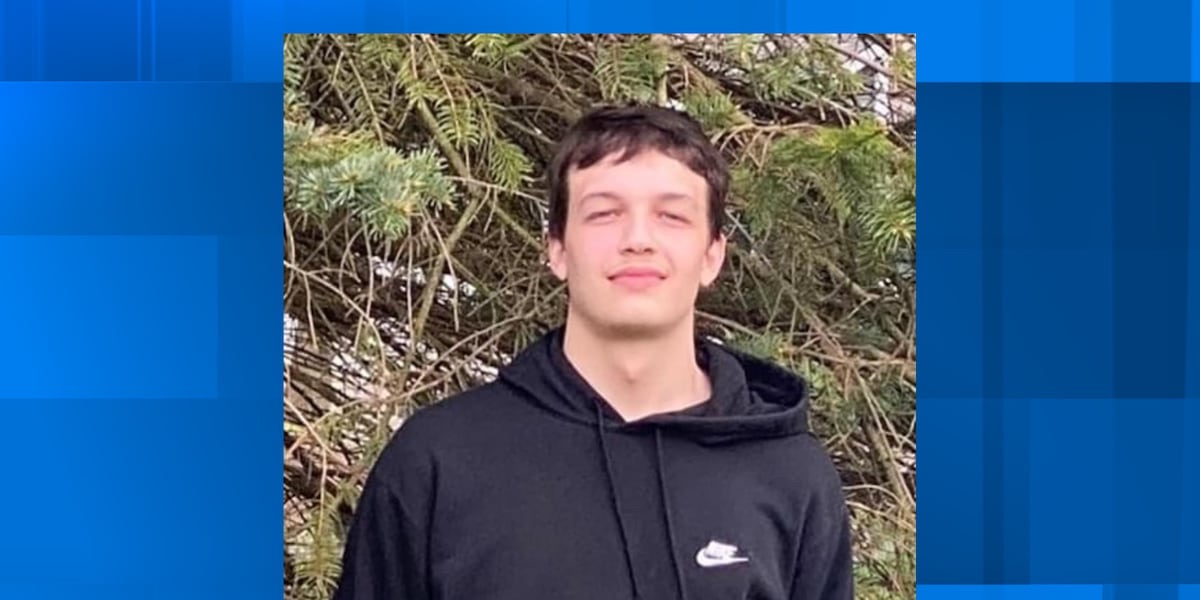
Troy Coleman, 17, from Flint Township, Michigan, had been missing since May 2024. Contemporary reporting from WNEM, People, Miami New Times, FOX 2 Detroit, and Fox News, plus public statements from Flint Township Police Department, converge on the same core timeline: Coleman appeared on an IRL Twitch stream featuring FaZe Lacy and Clix near Starlite Cafe / Ocean Drive around July 2; a viewer recognized him; his brother Trent and other family members reached the streamers; details from the stream (including where he said he was staying) helped authorities; police confirmed he was found safe on July 4, 2024.
That is the verified case. It is one case. Short-form packaging later retold it under plural headlines about “livestreams that found missing people.” Packaging is not a second event. Design Delulu’s job here is to keep the plural title from inventing evidence the source video and the news record do not support.
Spelling matters for the same reason. On-screen OCR and some re-uploads drift. Public news copy spells his name Coleman. That is the spelling this article uses everywhere.
What the TikTok packaging gets right, and wrong
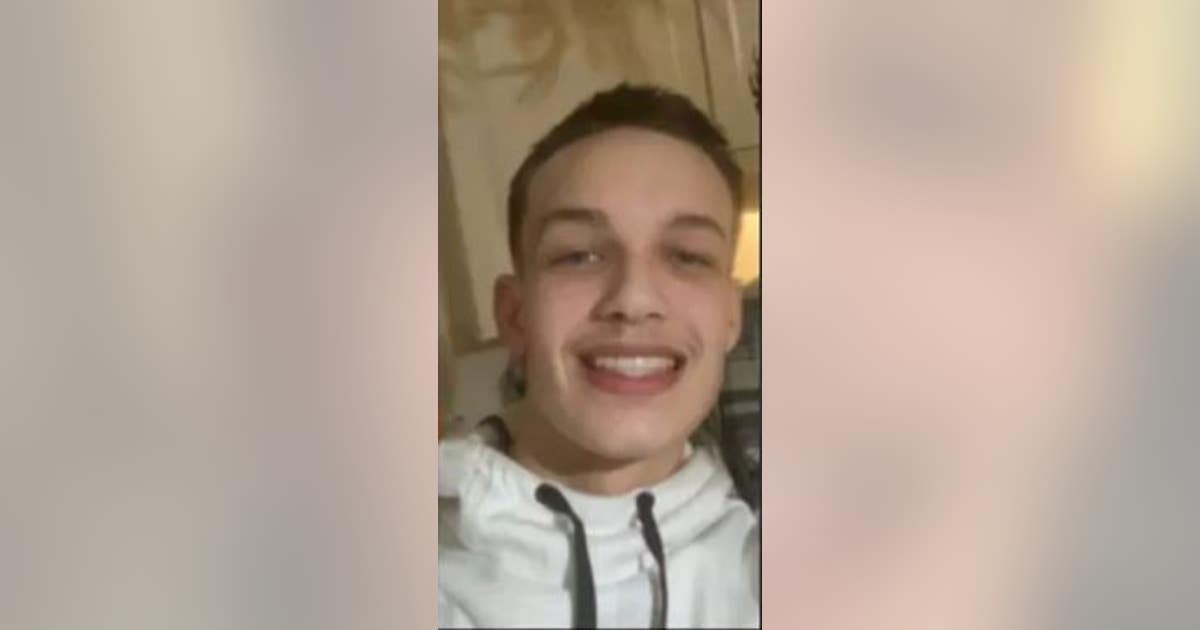
The owner-supplied TikTok that prompted this piece, Visual Venture (@mrdeepdive), titled Livestreams That Found Missing People, is a 107-second compilation that walks one July 2024 story from patio still to reunion. Offline frame analysis of that video shows a continuous caption arc for Coleman’s find, not a montage of unrelated recoveries. The plural is packaging. The mechanism claim inside it is still worth taking seriously: a live audience saw a face, matched it to a missing-person signal, and closed a loop faster than a recorded clip usually can.
Treat that TikTok as cultural packaging and a discovery surface, not as your primary fact source. The primary sources are the police confirmation and the news outlets that reported the stream, the family contact, and the find date. When a short-form retelling and a news desk disagree, the desk wins. When they agree, you still cite the desk.
The recognition loop, not the miracle
It is tempting to summarize this as “someone went viral and got found.” That sentence is emotionally neat and analytically empty. Virality is a reach diagnostic: how far a signal traveled, not proof that the system worked. What worked was a sequence of roles that only lined up because the moment was live:
- Concurrent witnesses. Viewers were watching the same physical scene at the same time Coleman was still in it. Recognition was not a comment left under a month-old upload.
- A shareable identity match. Someone in the audience could compare the person on camera to a missing-person photo already circulating in Michigan coverage.
- A creator contact node. Family did not have to invent a path to the people holding the camera. The streamers were public, reachable, and still inside the story.
- Authorities. Recognition without a handoff to police is gossip. The public record ends with Flint Township PD confirming Coleman was found safe.
Remove any one of those layers and the outcome shrinks. A lonely witness with no channel to the creators leaves a tip in a void. A creator with no viewer recognition never knows to act. A viral clip with no live contact path becomes true-crime content after the window closes. The stack is the story.
Why live mattered more than “on the internet”
Uploaded clips can still help find people. Tips come from Facebook posts, news photos, and VOD all the time. The Coleman case is interesting because the contact loop compressed inside the window when the person was still geographically and socially reachable through the broadcast itself. Live chat and live creator DMs are not magic. They are low-latency routing for attention that already exists.
That is the Design Delulu read for founders and marketers who care about live systems without turning every platform story into a growth hack. Concurrent attention is a different substrate from delayed attention. Delayed attention is good at amplification. Concurrent attention is good at coordination. Coordination is what closed this loop: recognize, contact, confirm location context, hand off to police.
None of that requires romanticizing Twitch. It requires noticing that IRL streaming turns public space into a temporarily shared camera, and that a large enough audience turns that camera into a distributed recognition system, for better and for worse.
Limits, ethics, and what this is not
Public reporting also notes that chat mocked Coleman before anyone knew he was missing. That detail belongs in the article, not as a moral lecture about streamers, and not as a reason to ignore the mechanism. The same infrastructure that routes a tip can route cruelty. Mechanism-neutral is not ethics-optional. It means you describe both ends of the wire.
This is also not a search protocol brands should copy. Do not manufacture missing-person content. Do not stage “awareness” stunts that treat someone’s worst week as inventory. Do not treat tragedy adjacency as a content category. The useful transfer is narrower: if you build live audiences, understand what concurrent witnesses can do that delayed viewers cannot; then apply that understanding to product launches, support moments, and real-time community ops, not to other people’s emergencies.
Mental-health context belongs only where family or police put it on the record. This article does not speculate about why Coleman was in Miami, what he was going through, or what anyone “should have” known on set. Speculation is how mechanism pieces turn into true-crime cosplay.
The same class of stack as Nitro Camden
Earlier this week we wrote about Nitro Camden: a raid supplied attention, witnesses became amplifiers, creators and a platform supplied material help, and an audience that could act inside the moment changed the next 24 hours. Coleman’s find is not the same story. The outcome type is different: recognition and recovery, not donations and housing. The class of mechanism is the same: live audiences doing work that VOD audiences usually cannot finish in time.
Call that an attention stack if you want a short label. Attention arrives. Someone with context acts. A public node (streamer, post, platform) concentrates the next action. Institutions or helpers close the loop. In Camden’s case the helpers were creators and Kick. In Coleman’s case the closing institution was police. Different payloads. Same sequencing.
If you only collect “internet miracle” headlines, you will keep misreading both stories as luck. Luck is present in both: Coleman walked into a popular stream; Camden was raided on a day that could have stayed empty. Luck is not the mechanism. The mechanism is what the live audience was structurally able to do once luck put a person in frame.
Reach is diagnostic. Outcome is the receipt.
Lacy’s public posts about the find traveled widely. That reach is useful as a signal that the story left the original chat. It is not, by itself, proof the system worked. The receipt is police confirmation that Coleman was found safe. Design Delulu’s house rule on stories like this is simple: count reach as diagnostic, never as success. Success is the closed loop.
That rule also protects you from the inverse mistake: dismissing live platforms because chat is chaotic. Chat was chaotic here. The loop still closed. Both facts can be true. Grown-up analysis holds both without turning either into a brand slogan.
What founders should actually take
If you run a live product, a creator program, or a community that gathers in real time, the transferable lesson is operational, not sensational:
- Design for concurrent action, not only replay. If your audience can only react after the moment ends, you built a broadcast. If they can route signal while the moment is open, you built a coordination surface.
- Make the contact node obvious. Family could reach the streamers because the streamers were public and still online to the story. Opaque ownership kills loops.
- Expect dual use. The same live wire carries tips and mockery. Moderation and escalation paths are part of the mechanism, not a separate “nice to have.”
- Do not confuse packaging with evidence. Plural titles, OCR drift, and compilation edits are not additional cases. Cite primary reporting.
None of those points require you to care about Twitch drama. They require you to care about what live attention can do when it is treated as infrastructure instead of vibes.
Research Confidence
This article is based on:
- Public reporting from WNEM, People, Miami New Times, Fox News, and FOX 2 Detroit on Troy Coleman’s May 2024 disappearance and July 4, 2024 find
- Flint Township Police Department public confirmation that Coleman was found safe
- FaZe Lacy / @LacyHimself public posts from July 3–4, 2024 describing the stream appearance and family contact
- Offline frame analysis of the owner-supplied TikTok compilation (@mrdeepdive / Visual Venture), treated as secondary packaging rather than a primary fact source
Confidence Level: High on the public reporting of Coleman’s find and the stream recognition timeline; Normal on the live-audience mechanism interpretation (heuristic, not a controlled study). The TikTok’s plural title is disclosed above as packaging around one verified case.
FAQ
Who is Troy Coleman and how was he found?
Troy Coleman is a 17-year-old from Flint Township, Michigan, who went missing in May 2024. In early July 2024 he appeared on an IRL Twitch livestream by FaZe Lacy and Clix at Starlite Cafe on Miami Beach. A viewer recognized him, his family contacted the streamers, and Flint Township Police Department confirmed he was found safe on July 4, 2024.
Which streamers’ livestream was he seen on?
He appeared on an IRL Twitch stream featuring FaZe Lacy and Clix, filmed around Starlite Cafe / Ocean Drive on Miami Beach, roughly July 2, 2024, according to contemporary news coverage and Lacy’s public posts.
Did the streamers know he was missing during the broadcast?
No. Reporting and Lacy’s own posts describe the streamers as unaware during the broadcast that the teen who walked into frame was a missing person. Recognition started with a viewer; family then contacted the creators, who helped authorities.
Why does a livestream matter more than a recorded clip here?
A live audience can recognize someone and act while the person is still on camera and the creators are still reachable as a contact node. An uploaded clip can still spread later, but it usually loses the same-day contact loop that closed this case: viewer to family to streamer to police.
Is Design Delulu saying brands should chase missing-person content?
No. This piece is about a live-audience recognition mechanism, not a marketing playbook. Brands should not manufacture tragedy content, and the public reporting also notes that chat mocked Coleman before anyone knew who he was, a reminder that the same infrastructure can be cruel as easily as useful.
Ready to turn attention into customers?
Book a free discovery call and let's map your growth system.
Free Marketing Audit Or book a strategy call