
The Delulu Blog
The Callaway Good Good Ad Shows What Happens When Nobody Can Say No.


The most revealing part of the Good Good Golf and Callaway driver controversy is not that a bad advertisement made people angry. Bad advertisements happen. Bad jokes happen. References miss. The revealing part is that thousands of ordinary people saw a problem in seconds that apparently survived a professional production and approval process.
That is the story.
A Good Good video promoting a co-branded Callaway Quantum driver showed Garrett Clark shove fellow golfer Alexis Miestowski to the ground as she reached toward a golf bag. Clark then stood over her and said, “Do not touch my new driver.” The spot was deleted after a fast online backlash. Golf Monthly documented the sequence and the initial responses.
My immediate reaction was not, “Who made this one terrible joke?” It was: this is what happens when someone with enough authority has an idea and everyone around it just goes along with it.
We do not know who first conceived the ad. We do not know which individual at Callaway approved it. The reporting does not establish either fact, and pretending it does would turn a useful business lesson into lazy speculation.
What we do know is more important anyway. Someone had the idea. Someone developed it. Talent performed it. Someone filmed it. Someone edited it. Brand representatives reviewed it. Callaway approved it. Someone posted it. Then the internet looked at the finished thing and said, almost immediately: Guys, this looks really bad.
That is not merely a creative failure. It is an organizational failure.
The Obsession reference may have been real. That does not solve the marketing problem.
Good Good CEO Matt Kendrick later said the advertisement was intended as a parody of Obsession, the supernatural horror film about a wish that turns into an extreme, destructive possessiveness. He also acknowledged that the execution missed the mark, said Good Good was reviewing its creative and approval processes, and said he would personally review content for the foreseeable future. Front Office Sports obtained the memo, which Yahoo republished in full.
That explanation deserves a fair reading. There is evidence the Obsession connection was not fabricated after the backlash. In a public Reddit discussion dated before Good Good’s later explanation, at least one viewer independently identified the spot as an Obsession reference. That is evidence of recognition, not proof the reference was broadly legible.
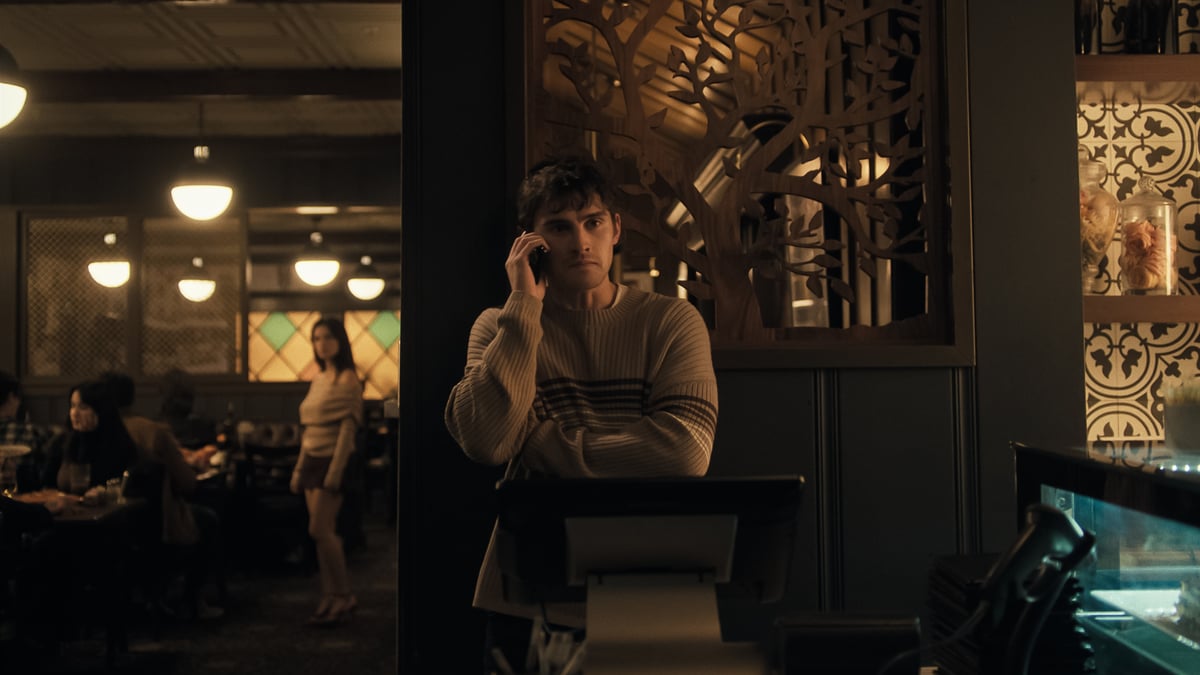
The broad creative logic is visible once it is explained: transfer the film’s irrational, supernatural possessiveness to a golf driver. Treat the club as something so desirable that ordinary behavior becomes absurdly extreme.
Fine. That is a real idea.
But the audience does not consume the creative brief. They do not sit in the brainstorming meeting. They do not know which movie someone watched last weekend. They do not know what the director intended. They do not get a little card explaining the reference before the video starts.
They see the finished ad.
And if the CEO needs to explain the reference after the backlash has already started, the reference did not communicate to a meaningful portion of the audience. That does not make the audience stupid. It makes the creative unclear.
Intent lives inside the conference room. Interpretation happens outside it.
There is also a distinction worth keeping straight. The film’s themes create a plausible basis for the parody. I could not find reliable evidence that the specific shove in the advertisement recreates a particular scene from Obsession, or that either company claimed it did. The connection appears thematic and role-based, not a verified shot-for-shot homage.
That matters because “you missed the reference” is not a defense when the reference is too vague to survive outside the room where it was explained.
A bad idea needs a path to market
Most corporate mistakes are not caused by one person having one bad idea. They are caused by an environment where the bad idea can travel.
Ideas become campaigns through a chain of human decisions:
- Someone pitches the concept.
- Someone says it is funny.
- Someone develops the treatment.
- Someone briefs talent.
- Someone films it.
- Someone edits it.
- Someone reviews the cut.
- Someone from the brand approves it.
- Someone posts it.
At every stage, a person has an opportunity to improve the work, ask a basic question, or stop it entirely.
Useful disagreement sounds like this
- This doesn’t work.
- People are not going to understand this reference.
- You understand the intention because you were there. The customer was not.
It also sounds like this
- This could be interpreted very differently outside this building.
- Is there a better way to sell this driver?
- This is a bad idea.
Those are not anti-creative statements. They are often the statements that protect creativity from becoming expensive.
The Callaway response makes that chain especially hard to ignore. Its initial statement expressed disappointment in the content and praised Good Good for addressing it. Later, CEO Chip Brewer acknowledged that Callaway had approved the video before it went live, said that approval should never have happened, and announced internal and external reviews along with changes to the approval process. CBS News reported the approval acknowledgement; Creative Bloq reported the investigations and process changes.
That is the lesson in miniature. Approval is not the same thing as scrutiny. A workflow can contain many approvals and still have nobody genuinely challenging the idea.
The yes-man problem gets worse as authority rises
This is where the incident becomes a leadership story.
As people gain authority, people around them often become less likely to challenge them. Not necessarily because everyone is weak. Often because the incentives are obvious. A junior employee does not want to be known as the person who “doesn’t get it.” A freelancer wants the next contract. A creator does not want to look difficult. An agency does not want to derail a client’s favorite idea. A middle manager does not want to be the only person raising a concern after five other people have nodded along.
So the room gets quieter precisely when it most needs useful disagreement.
The more powerful a leader becomes, the more valuable disagreement becomes, while simultaneously becoming harder for that leader to receive.
Good leaders do not merely tolerate dissent. They design for it. They make it safe for the newest employee, external partner, social lead, producer, marketer, or creator to say: “I think this will land badly.”
They ask for objections before they ask for execution. They reward someone for catching a problem early, even when the final decision is still to proceed. They make clear that disagreeing with an idea is not the same as challenging the person who had it.
And they understand a basic truth about creative work: the person closest to the idea is often the least able to see it as a stranger will.
The outsider test: remove the explanation
Every organization that publishes high-visibility creative should have a version of an outsider test.
Show the finished asset to people who were not involved in creating it. Do not give them the brief. Do not explain the joke. Do not tell them what movie it references. Do not say, “We were trying to do this clever thing.”
Just show them the work and ask:
- What do you think is happening here?
- What is the ad trying to say?
- Who is this for?
- What would you tell someone else this brand believes?
- Is there anything here that could be understood very differently from what the team intended?
If people need the concept explained, that is information. It is not a failure on the audience’s part.
The outsider test is especially valuable for references, in-jokes, nostalgia, irony, internet-native formats, and anything built around “you had to be there.” Internal teams naturally overestimate what is obvious because they have spent days, weeks, or months living inside the idea.
They have context. Customers have the output. Those are not the same thing.
The cost starts after the post goes live
When one bad approval goes public, the cost does not stay with the person who suggested it. It spreads.
Social teams delete posts and monitor replies. PR teams write statements. Executives apologize. Employees who had nothing to do with the decision answer questions from friends, clients, and partners. Retailers and collaborators may get pulled into the response. Investigations begin. Approval procedures get rewritten. Product momentum becomes crisis management.
Good Good’s response included a review of creative and approval processes, a commitment to bring more perspectives into those decisions, and a plan to donate campaign proceeds to a local organization supporting women. Kendrick’s memo set out those steps. Callaway said it was conducting internal and external investigations and changing its approval process.
That is a lot of organizational energy redirected away from selling a driver.
Potentially dozens of people end up spending hours or days cleaning up something that might have been prevented by one person saying, early enough: “Guys, this looks really bad.”
That is why the person willing to challenge the room is not a blocker. They may be the last line of defense before the internet becomes your quality-control department.
The business irony is real, but it is not the whole point
The controversy landed in a golf industry that has spent years trying to broaden its audience. Women and girls accounted for 52% of net on-course participation growth between 2020 and 2025, according to the National Golf Foundation. Women now account for a record 28% of traditional golfers. The NGF data is clear.
That is a commercial reason to take audience interpretation seriously. But this is not a generic corporate-inclusivity lecture. It is a more practical point than that.
If your business says it wants a broader audience, your creative review process needs people capable of seeing the work from outside your existing bubble. Not because every risk can be avoided. Not because every advertisement must be bland. Not because strong creative should be replaced with committee-approved oatmeal.
Because a company cannot claim to value customers it consistently fails to imagine.
Questions worth asking in your own company
The useful response to this story is not “Callaway messed up.” It is asking whether your own organization has the same vulnerability in a less public form.
- When was the last time someone junior told your leadership team an idea was bad?
- What happens to employees or partners who disagree with senior leadership?
- Does your approval process challenge creative, or merely document that somebody approved it?
- Are reviewers sufficiently removed from the work to see it like a customer would?
- Does everyone understand the campaign because it is effective, or because everyone attended the meeting where it was explained?
- Who, specifically, has permission to say stop?
If the answer to the last question is “everyone,” but nobody can name an example of it happening, the real answer may be nobody.
That is a dangerous culture to build around marketing, leadership, product decisions, public communications, or anything else that reaches the world before it can be taken back.
Research Confidence
This article is based on:
- Contemporaneous reporting and direct company statements on the ad, its removal, Callaway’s approval, and the announced reviews
- Good Good CEO Matt Kendrick’s internal memo, reported in full by Front Office Sports
- National Golf Foundation participation data
- A dated public discussion showing at least one viewer recognized the Obsession reference before Good Good’s fuller explanation
- A reasoned approval-chain and leadership-dissent analysis that is deliberately not presented as insider knowledge about either company
Confidence Level: Normal. The event facts and public responses are well supported. The leadership lesson is a stated interpretation, not a claim about the private culture of Callaway or Good Good.
FAQ
What happened in the Good Good and Callaway ad?
The deleted ad for a co-branded Quantum driver showed Garrett Clark shove Alexis Miestowski after she reached toward a golf bag, followed by the line, “Do not touch my new driver.” The scene drew widespread criticism and was removed.
Was the Good Good ad actually a reference to Obsession?
Good Good CEO Matt Kendrick said it was intended as a parody of Obsession. Public discussion before that explanation provides some evidence that viewers independently recognized the reference. The problem is that it was not clear enough for a broad audience to reliably understand.
Did the shove copy a specific scene from Obsession?
There is no reliable evidence that it did. The apparent connection is thematic, using the movie’s extreme possessiveness and obsession as the basis for a driver advertisement, rather than a verified scene-by-scene recreation.
What did Callaway say about approving the ad?
Callaway initially said it was disappointed in the content. CEO Chip Brewer later acknowledged the company had approved it before publication, said that approval should never have happened, and said the company was reviewing the matter and changing its approval process.
How can companies avoid creative approval failures?
Use an outsider test before publication. Show the finished asset, without the brief or an explanation, to people who were not involved in making it. Ask what they believe it communicates. If the concept needs to be explained, treat that as useful feedback rather than audience failure.
Ready to turn attention into customers?
Book a free discovery call and let’s map your growth system.
Free Marketing AuditOr book a strategy call